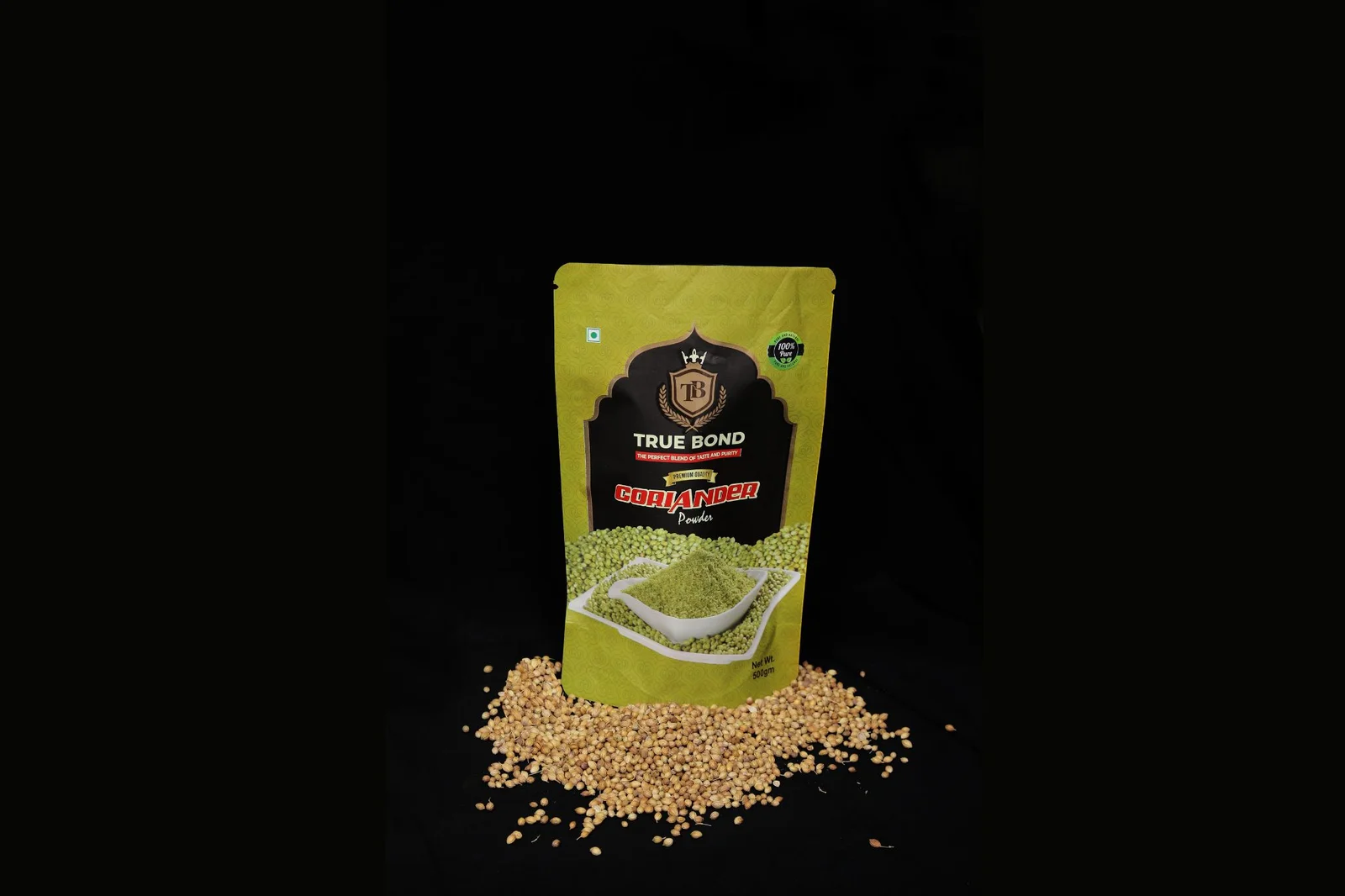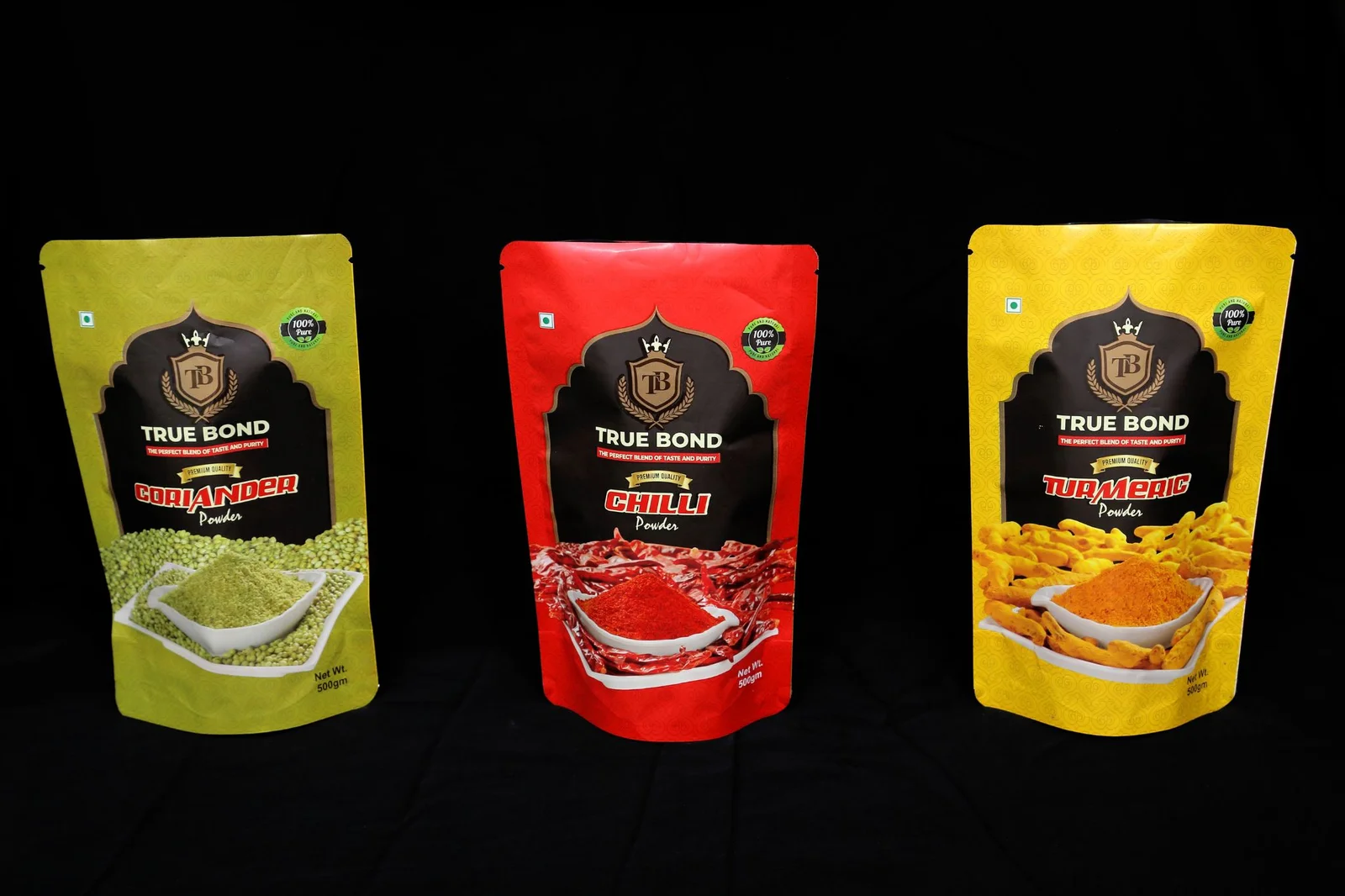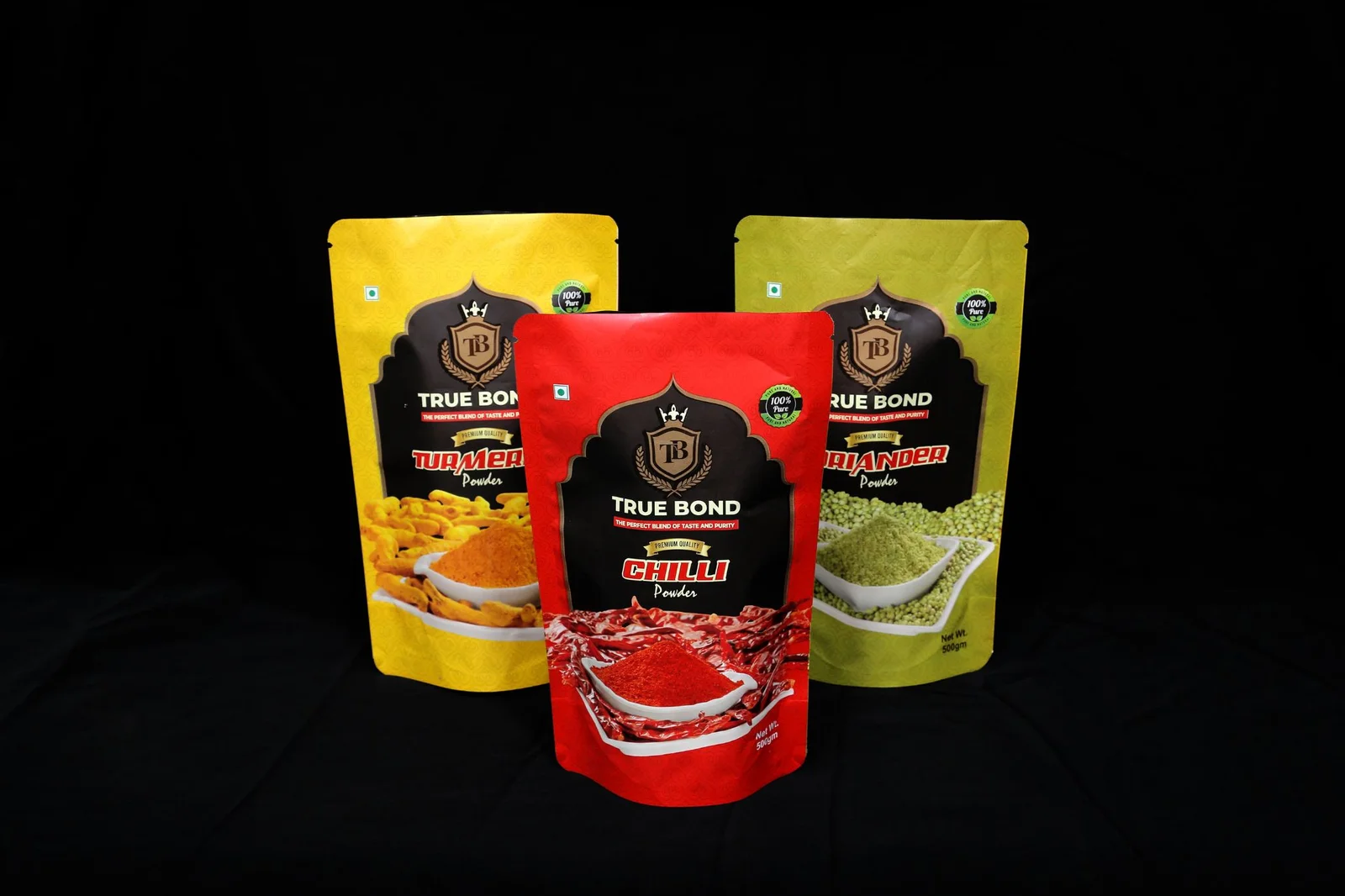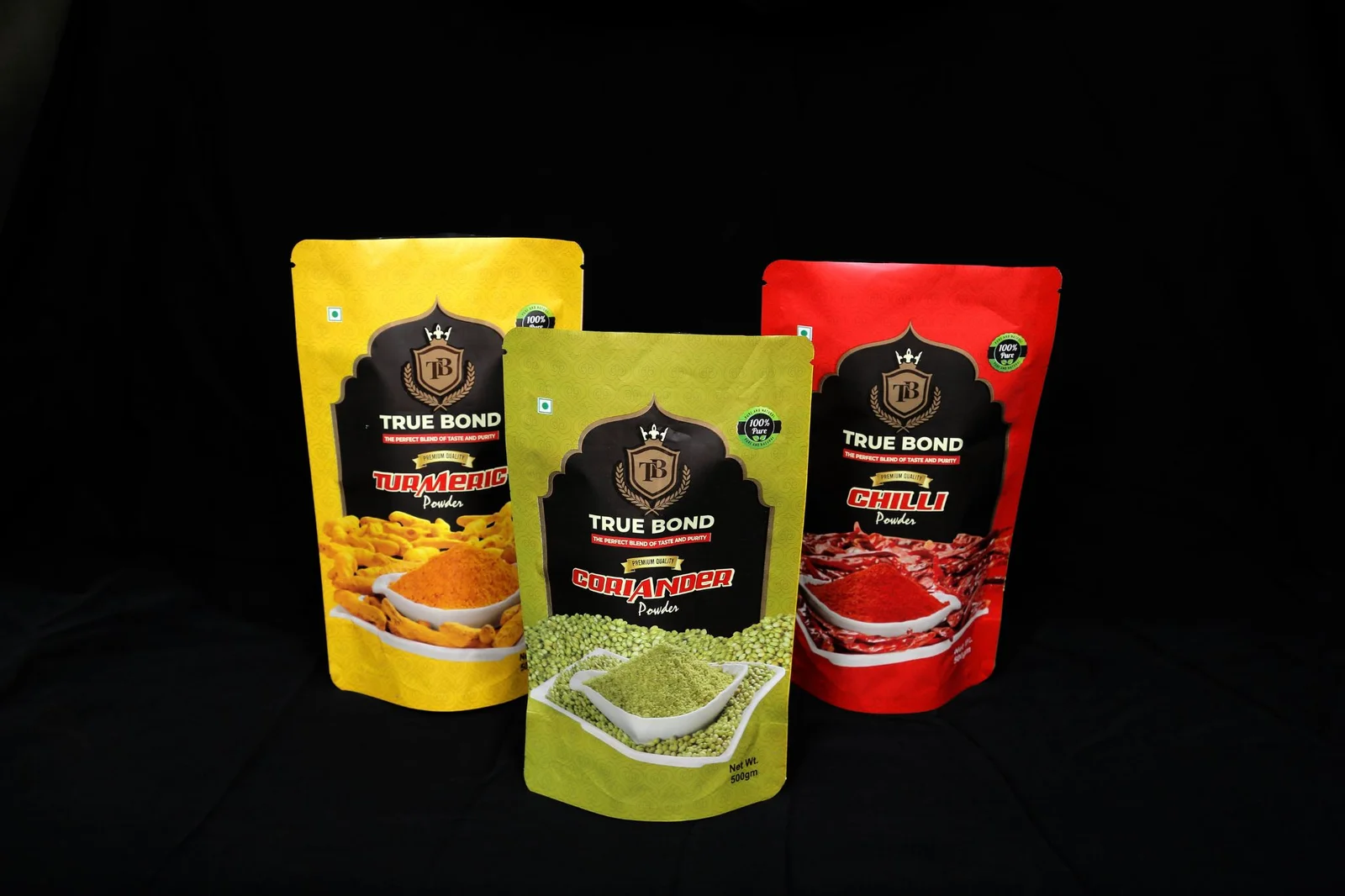
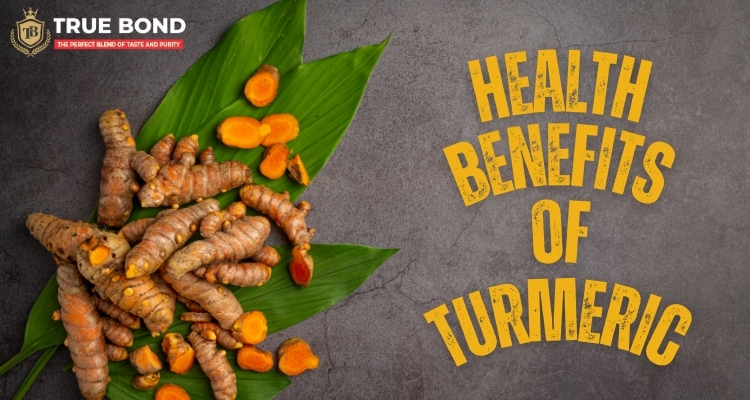
Turmeric, commonly known as Haldi in many households, is a golden-yellow spice derived from the root of the Curcuma longa plant. It has been a cornerstone of traditional medicine, particularly in Ayurveda, for thousands of years. In recent times, science has begun to back up what ancient traditions have long celebrated — the myriad health benefits of turmeric.
1. Powerful Anti-Inflammatory Properties
Curcumin, the active compound in turmeric, is known for its potent anti-inflammatory effects. Chronic inflammation is linked to many serious health conditions such as heart disease, cancer, and Alzheimer’s. Including turmeric in your diet may help reduce inflammation and protect against these ailments.
2. Strong Antioxidant Effects
Turmeric is a powerful antioxidant that neutralizes free radicals in the body. Additionally, curcumin boosts the activity of your body’s own antioxidant enzymes. This double action helps fight oxidative stress, which is crucial for slowing down aging and preventing various diseases.
3. Boosts Immunity
Turmeric has natural immune-boosting properties due to its antibacterial, antiviral, and antifungal effects. Consuming a warm glass of turmeric milk (commonly known as Haldi doodh) is a popular home remedy to fend off colds and flu.
4. Aids Digestion
Traditionally, turmeric has been used to treat digestive disorders. It stimulates bile production, aiding in the digestion of fats and improving overall gut health. It may also help relieve symptoms of bloating and gas.
5. Enhances Skin Health
Turmeric’s anti-inflammatory and antibacterial properties make it a natural remedy for various skin conditions like acne, eczema, and psoriasis. Face masks made with turmeric can brighten skin tone, reduce scars, and provide a natural glow.
6. Supports Joint Health
For those suffering from arthritis or joint pain, turmeric can be a natural alternative to painkillers. Studies suggest that curcumin can ease symptoms of arthritis by reducing inflammation and providing pain relief.
7. Improves Brain Function
Curcumin boosts levels of brain-derived neurotrophic factor (BDNF), a type of growth hormone that functions in the brain. This may help delay or even reverse brain diseases and age-related cognitive decline.
How to Incorporate Turmeric Into Your Diet
- Add a pinch of turmeric to soups, stews, and curries.
- Blend it into smoothies for an antioxidant punch.
- Enjoy a warm cup of turmeric milk before bedtime.
- Sprinkle turmeric in your morning tea for a health boost.
Final Thoughts
Turmeric, or Haldi, is more than just a spice — it’s a golden remedy for numerous health issues. From boosting immunity to fighting inflammation, its benefits are backed by both ancient wisdom and modern science. So, the next time you add a pinch of turmeric to your meal, remember you’re not just adding flavor — you’re adding wellness to your life.
Embrace the golden spice and experience its magic for yourself!